Factors That Impact ROAS Across Industries
Return on Ad Spend (ROAS) is a vital metric for businesses seeking to maximize their advertising investments. It quantifies the revenue generated for every dollar spent on advertising, helping businesses evaluate the profitability of their campaigns. While the formula for ROAS is straightforward, its variability across industries makes it a complex metric to analyze. Factors such as profit margins, customer acquisition costs, and advertising strategies contribute to these variations.
In this blog, we’ll dive into the key factors influencing ROAS across different industries, explore real-world examples, and provide actionable strategies to optimize ROAS.
What is ROAS
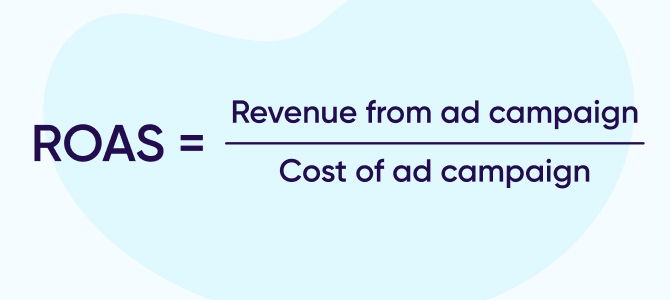
Before we explore the factors affecting ROAS, let’s revisit its formula:
makefile
CopyEdit
ROAS = Revenue Generated ÷ Advertising Spend
For example, if a business invests $10,000 in advertising and earns $50,000 in revenue, the ROAS is 5:1. This means the company earns $5 for every $1 spent.
Why ROAS Varies Across Industries
ROAS benchmarks differ because industries operate under unique dynamics, such as varying customer behaviors, competition levels, and business models. For example, an e-commerce business selling low-cost items might have a lower ROAS than a luxury brand with higher profit margins.
Factors That Impact ROAS Across Industries
1. Profit Margins
Profit margins are one of the most significant factors influencing ROAS. Industries with higher profit margins can achieve better ROAS benchmarks as they generate more revenue per sale.
High-Margin Industries:
Luxury goods: These industries often see ROAS benchmarks of 8:1 or higher because of the high price point and exclusivity of their products.
SaaS (Software as a Service): Subscriptions and long-term customer retention improve profitability over time, resulting in a healthy ROAS.
Low-Margin Industries:
Grocery retail: With narrow margins, grocery retailers often experience lower ROAS benchmarks (around 2:1 to 3:1).
Fast fashion: High competition and frequent discounts make it challenging to achieve higher ROAS.
2. Customer Acquisition Costs (CAC)
Customer acquisition cost refers to the amount spent to acquire a new customer. Industries with high CAC often face challenges in achieving a favorable ROAS.
Industries with High CAC:
Real estate: Due to the high value of transactions, the cost of acquiring customers is significant.
Automotive: Long sales cycles and expensive products contribute to higher CAC.
Industries with Low CAC:
E-commerce: Retargeting and impulse buying opportunities lower CAC, improving ROAS.
Education: Digital ads targeting students often have a lower CAC due to focused audience segmentation.
3. Customer Lifetime Value (CLV)
Customer Lifetime Value (CLV) represents the total revenue a business can expect from a customer over their lifetime. Industries with high CLV can tolerate lower initial ROAS, knowing long-term profits will compensate.
Industries with High CLV:
Fitness and wellness subscriptions: Monthly payments over extended periods result in high CLV.
Telecommunications: Once acquired, customers often stay loyal due to contracts, increasing CLV.
Industries with Low CLV:
Fast-moving consumer goods (FMCG): Frequent but low-value purchases result in lower CLV.
Apparel: Many customers purchase once, especially during seasonal sales, leading to low CLV.
4. Purchase Frequency
The frequency at which customers make purchases impacts ROAS.
Industries with High Purchase Frequency:
Personal care: Products like shampoo and skincare are purchased regularly, creating opportunities for repeat revenue.
Food and beverages: Repeat purchases drive higher ROAS in the long run.
Industries with Low Purchase Frequency:
Real estate: Customers may purchase a house once in a decade, limiting revenue potential.
Luxury goods: Products like jewelry or high-end watches are often one-time purchases.
5. Advertising Platforms
The choice of advertising platforms also impacts ROAS. Different industries perform better on specific platforms based on customer demographics and behaviors.
Google Ads:
Effective for industries with high-intent keywords, such as healthcare, real estate, and education.
Example: A real estate business targeting “homes for sale near me” can achieve a high ROAS with Google Ads.
Social Media Ads:
Ideal for visually appealing industries like fashion, beauty, and travel.
Example: A clothing brand using Instagram Reels for promotions may achieve better ROAS than on Google Ads.
E-commerce Marketplaces:
- Platforms like Amazon and eBay are critical for consumer electronics and FMCG sectors.
6. Competition Levels
The level of competition in an industry significantly impacts advertising costs and, consequently, ROAS.
Highly Competitive Industries:
E-commerce: Intense competition for keywords and audiences drives up ad costs.
Education: Numerous institutions bid for similar search terms, increasing CPC (Cost Per Click).
Niche Industries:
Specialized software: Limited competition allows companies to achieve higher ROAS.
Local services: Lower competition in specific regions results in lower advertising costs.
7. Seasonal Trends
Seasonality affects ROAS benchmarks across industries.
Industries Affected by Seasonality:
Retail: Holidays like Christmas or Black Friday drive higher revenue, increasing ROAS.
Travel: Peak seasons like summer vacations improve ROAS for hotels and airlines.
Industries with Minimal Seasonality:
Healthcare: Demand remains relatively stable throughout the year.
Utilities: Consistent demand ensures stable ROAS.
8. Product Complexity
Industries with complex products or services often experience lower ROAS due to longer sales cycles and the need for extensive education.
Complex Products:
B2B software: Requires nurturing campaigns to convert leads into customers.
Healthcare equipment: Educating customers about products can increase acquisition time.
Simple Products:
- Consumer goods: Impulse purchases lead to faster conversions and higher ROAS.
9. Conversion Rate
The ability to turn clicks into customers directly affects ROAS.
Industries with High Conversion Rates:
On-demand services: Apps like food delivery or ride-sharing convert users quickly.
E-commerce: Streamlined checkout processes improve conversion rates.
Industries with Low Conversion Rates:
Luxury goods: Customers spend more time researching high-value purchases.
B2B: Long decision-making cycles reduce conversion rates.
10. Economic Factors
External factors, such as inflation, unemployment, and consumer spending trends, can influence ROAS.
Examples:
During economic downturns, industries like travel and luxury see lower ROAS due to reduced discretionary spending.
Essentials like healthcare and groceries maintain stable ROAS during economic fluctuations.
Optimizing ROAS Across Industries
While every industry has unique challenges, here are universal strategies to improve ROAS:
Refine Targeting Use audience segmentation to ensure ads reach the right people.
Invest in Retargeting Retarget users who’ve interacted with your brand but haven’t converted.
A/B Test Campaigns Experiment with different creatives, headlines, and calls-to-action (CTAs).
Optimize Landing Pages Ensure landing pages are fast, user-friendly, and designed to convert.
Leverage Analytics Regularly analyze campaign performance and adjust strategies accordingly.
Conclusion
ROAS is a crucial metric for measuring advertising effectiveness, but its variability across industries makes it challenging to standardize. Factors such as profit margins, customer acquisition costs, and seasonal trends significantly impact ROAS benchmarks. By understanding these factors and tailoring advertising strategies accordingly, businesses can optimize their campaigns and achieve sustainable growth.
Whether you’re in e-commerce, real estate, or healthcare, the key to improving ROAS lies in constant optimization, data-driven decision-making, and adapting to your industry’s unique dynamics.